Tuesday, March 16, 2010

Plastics #4


Number 4 plastics, or low-density polyethylene (LDPE) shares most of its name with #2 plastics, but not much else. LDPE most commonly used to make bags: shopping bags, tote bags, bread bags, dry cleaning bags, you name it. Also found in squeeze bottles and sometimes carpeting or furniture, plastics #4 does not hold up well to everyday wear and tear, and because the recycling process further breaks down its polymerized structures, it was long thought to be an undesirable material for remanufacture.

Thankfully, more and more curbside programs are now accepting LDPE for recycling, as manufacturers have found a way to incorporate it into trash cans and liners, compost bins, envelopes, and certain construction materials. Many stores now accept plastic shopping bags for recycling. In fact, all the big-box stores in Chicago are now required to reycle shopping bags as part of a compromise reached between retailers and the City after the proposal to ban plastic bags (or at least charge customers who chose to use them) failed miserably.

Friday, March 12, 2010

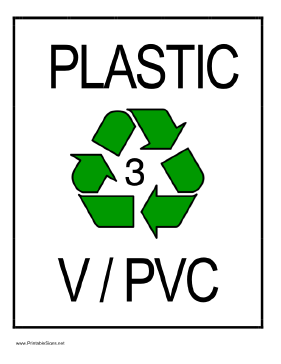
Plastics #3


The third category in the plastics family is Polyvinyl Chloride, or PVC, which is a polymerized byproduct of vinyl chloride. A highly durable plastic, it is used extensively in construction materials such as windows, siding, and piping, and is also found in yoga mats, as well as various types of medical equipment. Its composition makes it a cost-effective and long-lasting product, one that will take hundreds of years to break down.

Occasionally PVC is used to make cleaner or detergent bottles or food packaging. However, PVC is not nearly as benign as plastics #1 or #2, nor is it as easy to recycle. Because of the chlorine present in its molecular structure, highly dangerous toxins can be released into the air during its manufacture. Plastics #3 should never be used for cooking or heating food, as the toxins within are released when the plastic is heated or burned. Some studies have suggested the dreaded chemical bisphenol-A (BPA) may be present in plastics #3 as well, which is suspected of affecting human growth and reproductive hormones when leached into food or drinking water.

Of the municipalities that do accept PVC packaging for recycling (and yes, Chicago does!), it is recycled into plastic lumber and flooring, cables, speed bumps, and mats.

Wednesday, March 3, 2010

Plastics #2

High-density Polyethylene, or HDPE, is like a little brother to PETE. Better known as plastics #2, it is easily recyclable and can be remanufactured into a number of products. Uncolored HDPE has a milky, or translucent sheen, as evidenced in milk jugs, shopping bags, and cereal box liners. Colored, or pigmented HDPE is common as well, and tends to be a bit stiffer than its naturally hued counterpart. Colored HDPE usually packages cleaners, detergents, and beauty products.

HDPE is easy to form and easy to process. Not only does the chemical make up of high-density polyethylene make it unlikely to leach into food products or break down too much when heated, it is highly resistant to chemical reactions, which makes it ideal for packaging bleach, motor oil, household cleansers and industrial chemicals.

Because of its strength and stability on a molecular level, HDPE is one of the only plastics that can be recycled back into a plastic bottle or container. Other products commonly made from HDPE include: floor tiles, artificial lumber and fencing, drain pipes, dog houses and picnic tables. There's also a pretty good chance that your recycling bin is made out of #2 plastics! How many of your HDPE containers are making it into that bin?

Friday, February 26, 2010

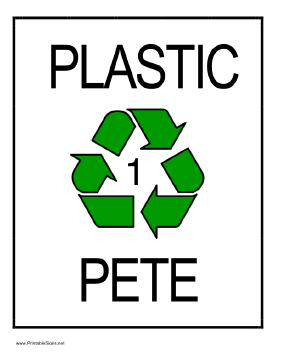
Plastics #1


Plastics #1 is the designated number for all plastic containers made with Polyethylene Terephthalate, or PETE for short. Polyethylene (and all its variations) is the most widely produced plastic in the world, and for good reason. Used to make everything from soda and water bottles to trash bags to peanut butter jars to oven-safe food containers, the plastics in this category are the most easily recycled. They are also the least likely to leach chemicals when heated, which makes it the safest choice for food and beverage containers by far.

Recycled polyethylene terephthalate is actually in high demand; manufacturers use it to make polar fleece, furniture, carpeting, and occasionally new containers. Despite its many (re)uses, the recycling rate for #1 plastics remains quite low; several reports claim it to be as low as 20% in some areas. This is especially surprising because some programs, such as California's Bottle Bill, offer a monetary refund for the return and recycling of containers made from plastics #1.

So when in doubt, just think of PETE. PETE's your buddy, PETE's your pal! C'mon, Chicagoans-- Recycle PETE so manufacturers have a cost-effective and responsible way of making all those products we want to buy! And just think, purchasing those re-manufactured products will be much more rewarding without having a guilty eco-conscience; I don't think there's any such thing as green-buyers' remorse.

Friday, February 19, 2010

Plastics 101

Plastics are polymers, meaning that on the molecular level, thousands of like molecules, or monomers (for plastics, this usually translates into long, long, chains of hydrocarbons, with some other molecules mixed in here and there, which I'll get to in a minute) join forces to create one giant molecule.

Plastics make up one group of synthetic (or man made) polymers, the other being rubber. However, naturally occurring polymers are far more prevalent than all the manufactured rubber and plastic products in the world, combined! Natural polymers include wood, cotton, leather, and wool, which man has long used to build homes and make clothing; the synthetic polymers available today serve to complement these naturally occurring substances.

Left to its own devices, the chemical reaction that causes polymerization would continue unchecked, creating infinitely long chains of hydrocarbons, which would produce so much heat and energy that they would eventually self-combust. This is where the other elements come in; they serve as book ends, if you will, to an otherwise never-ending polymer. Some plastics might contain molecules of chlorine, fluorine, oxygen, or nitrogen, so the make up (and eventual breakdown) of plastics vary drastically from one type to the next.

Okay, so by now we all know that it's important to recycle plastics. But what many people don't know is that some types of plastics are more easily recycled than others, and discerning which containers should go in a blue bin can be downright confusing. Fortunately for us Chicagoans, the city's recycling program accepts six out of the seven basic types of plastics used for packaging and containers: #1-5 and #7.

So what does this mean? Each number represents a category by which plastics can be sorted, and for all intensive purposes, the lower the number, the easier the plastic is to recycle. The good news is that all plastics can be recycled, but the bad news is that not all plastics can be easily recycled. Adding to the bad news is that the composition of plastic changes when exposed to heat, which causes the polymers to break down, the single bonds within the hydrocarbon chains to weaken, and sometimes chemicals within the polymer leach out of the plastic itself. This is especially troubling in the case of plastic bottles or containers for food or beverages.

The other troubling thing about plastic is that, unlike recyclables made from more natural substances such as aluminum and paper, plastic cannot be recycled back into plastic, which means that we have to find other uses for recycled plastics. Without a market for products made from recycled plastics, all the recycling in the world won't do us any good! Stay tuned in the coming months for a breakdown of the seven main types of recyclable plastics, including the common uses and resulting byproducts for each.

Thursday, February 11, 2010

Polystyrene Ban Proposed

Ed Burke, 14th Ward Alderman and Chairman of the Finance Committee, proposed a city-wide ban on polystyrene products-- better known as Styrofoam-- used in the food industry. Though this proposal-- spurred by the realization that Chicago Public Schools are throwing away 35 million polystyrene lunch trays each year; that's more than 250,000 trays a day!-- is a good idea in theory, every time a political figure tries to ban something in this city, people get all up in arms. And Alderman Burke has proposed to ban a lot of stuff: plastic bags, BPA, trans fats, and smoking inside public places. While I agree these would all be in the best interests of the city, the smoking ban was the only proposal to gain any traction. However, he's also had some proposals that were pretty "out there", such as banning carriage horses from pooping on the street (has anyone ever seen a horse in a diaper? Didn't think so) and limiting dogs to 10 minutes of barking within a certain time frame, which is ridiculous on a number of levels.

If passed, this proposal-- like all proposed bans-- would come with fines that would theoretically generate much-needed revenue for the city. However, it should be pretty clear by now that this simply doesn't work; nobody pays attention to these arbitrary new mandates, and few people are fined because these proposals are so hard to enforce. Didn't the city learn anything from the foie gras debacle that made Chicago the laughing stock of the culinary world? Restaurant chefs took pride in breaking that law, which was eventually rescinded. I personally disagree with foie gras from an ethical standpoint, so I don't eat it. Not everyone shares my concern, but banning the end product didn't solve anything, especially not for the force-fed geese.

No Foam Chicago, a grass-roots organization, is backing Alderman Burke's ban, but with the very thing his proposal is lacking: facts. Among the group's top ten reasons to ban Styrofoam, they cite the chemical styrene as a known environmental hazard to human health and reproductive systems. When heated (in the microwave, or by the addition of a hot food or beverage to the container), the chemical leaches into the food and is unintentionally ingested. Also, polystyrene recycling, while possible, is quite costly and largely impractical, so the bulk of these containers wind up clogging our landfills, where they take centuries to break down.

A number of eco-friendly, biodegradable alternatives to Styrofoam packaging in recent years that are more readily available and less cost prohibitive than they were in the past. Giant corporations like McDonald's have phased out their use of polystyrene products (remember when those fried, low-grade burgers used to come in watered-down, pastel-colored clam shells?) without losing profits, and the people who consume these sandwiches are *slightly* healthier because of it.

If Alderman Burke wants to make a change to the polystyrene problem in our public schools, he might be better off playing his "won't somebody think of the children!" card, and working with CPS to find a better solution. Heck-- have the high school science teachers address the problem in their lesson plans, and let the students figure out a better way. Help them help themselves! Do I think Chicago restaurants should get away from using polystyrene packaging? Yes. Is banning Styrofoam and riling up our vibrant restaurant industry the answer? No. I believe the good people of Chicago will respond better to helpful incentives than they will to heavy-handed influence; I'm no Alderman, but I think it's worth a try!

Saturday, February 6, 2010

This is Our Moment


This video, sent out by the Natural Resources Defense Council (NRDC), appeared in my inbox earlier this week. This Public Service Announcement, spearheaded by Leonardo di Caprio, extolls the virtues of the clean energy bill that is currently being debated in the Senate. Di Caprio, a longtime supporter of the NRDC, has recruited a whole slew of celebrities to throw the weight of their fame behind this bill, in hopes of generating greater support. While I agree with everything that is said, I'm skeptical of just how involved the people in this video actually are with the NRDC or with advocating for clean energy. I'm only including it on here because the site has a host of cool links and valuable information, including a way for concerned citizens to email their senators or to upload their own videos. And I'm pretty sure that Leo's intentions are legit-- he came out with his own documentary about climate change shortly after Al Gore's An Inconvenient Truth, and he drives a Prius. What's not to like? And besides-- the famous people are telling us to get involved. And if famous people say it, then it must be true!